Attic Conversion Ventilation Explained
When considering an attic conversion, fans often focus on aesthetics, space optimisation, and structural adjustments. However, one of the most crucial yet frequently overlooked aspects is ventilation. Proper ventilation is vital to ensure that your new living space remains comfortable, energy-efficient, and free from moisture issues. In this comprehensive guide, we’ll explore the importance of attic conversion ventilation, delve into the various options available, and outline practical considerations for homeowners in South Dublin as they embark on their attic conversion journey.
Why is Ventilation Important?
Ventilation serves several essential functions in an attic conversion. Firstly, it regulates temperature and humidity levels, helping ensure your space is comfortable throughout the year. Without adequate ventilation, attic temperatures can soar in the summer and plummet during winter, leading to discomfort. Moreover, improper ventilation can result in moisture build-up, leading to a host of problems. Excess moisture promotes mould growth, which can have serious health implications for your family, as well as structural damage to your home. Therefore, effective ventilation plays a pivotal role in maintaining a healthy and comfortable environment in your new attic space.
Types of Ventilation for Attics
When planning your attic conversion, several options for ventilation can be considered, depending on your specific needs and the characteristics of your property. Here are the main types:
- Natural Ventilation: This relies on the flow of air through openings such as vents or windows. It is one of the simplest and most cost-effective methods, utilising the natural movement of air to maintain a comfortable environment.
- Mechanical Ventilation: In cases where natural airflow is insufficient, mechanical ventilation uses fans or ventilation systems to ensure consistent air movement. This method offers greater control over air quality and temperature, particularly in larger or more complex attic spaces.
- Cross Ventilation: This design strategy creates pathways for air to flow from one side of the attic to the other, allowing cooler air to enter and helping hot air escape. It’s particularly effective when implemented in conjunction with natural or mechanical ventilation systems.
Key Factors to Consider for Ventilation
Before you finalise the plans for your attic conversion, it is essential to take several factors into account that will influence how you approach ventilation:
- Roof Design: The design and shape of your roof can dramatically affect airflow in your attic. For instance, certain roof types may require additional vents to facilitate proper air circulation.
- Insulation: Effective insulation is critical in regulating the temperature of your attic. Good insulation not only helps maintain temperature but also reduces the heating and cooling load on your home. However, it’s essential to balance insulation and ventilation to avoid trapping moisture.
- Climate Considerations: In South Dublin, homeowners must consider temperature variations throughout the year. A well-designed ventilation system should accommodate both the cold, damp winters and warm, humid summers typical of the region.
Common Ventilation Solutions
Implementing the right ventilation solutions is crucial to ensuring a healthy and comfortable attic space. Here are several common products and solutions to consider:
- Ridge Vents: Located at the peak of the roof, ridge vents allow hot air to escape while facilitating airflow from lower roof vents. This is an effective way to promote natural ventilation.
- Soffit Vents: These vents are installed under the eaves of your roof, assisting in airflow by allowing fresh air to enter the attic, drawing in cooler air that facilitates a continual flow of air circulation.
- Gable Vents: Positioned in the gable walls, these vents can enhance airflow and are especially beneficial for attics with minimal roof features.
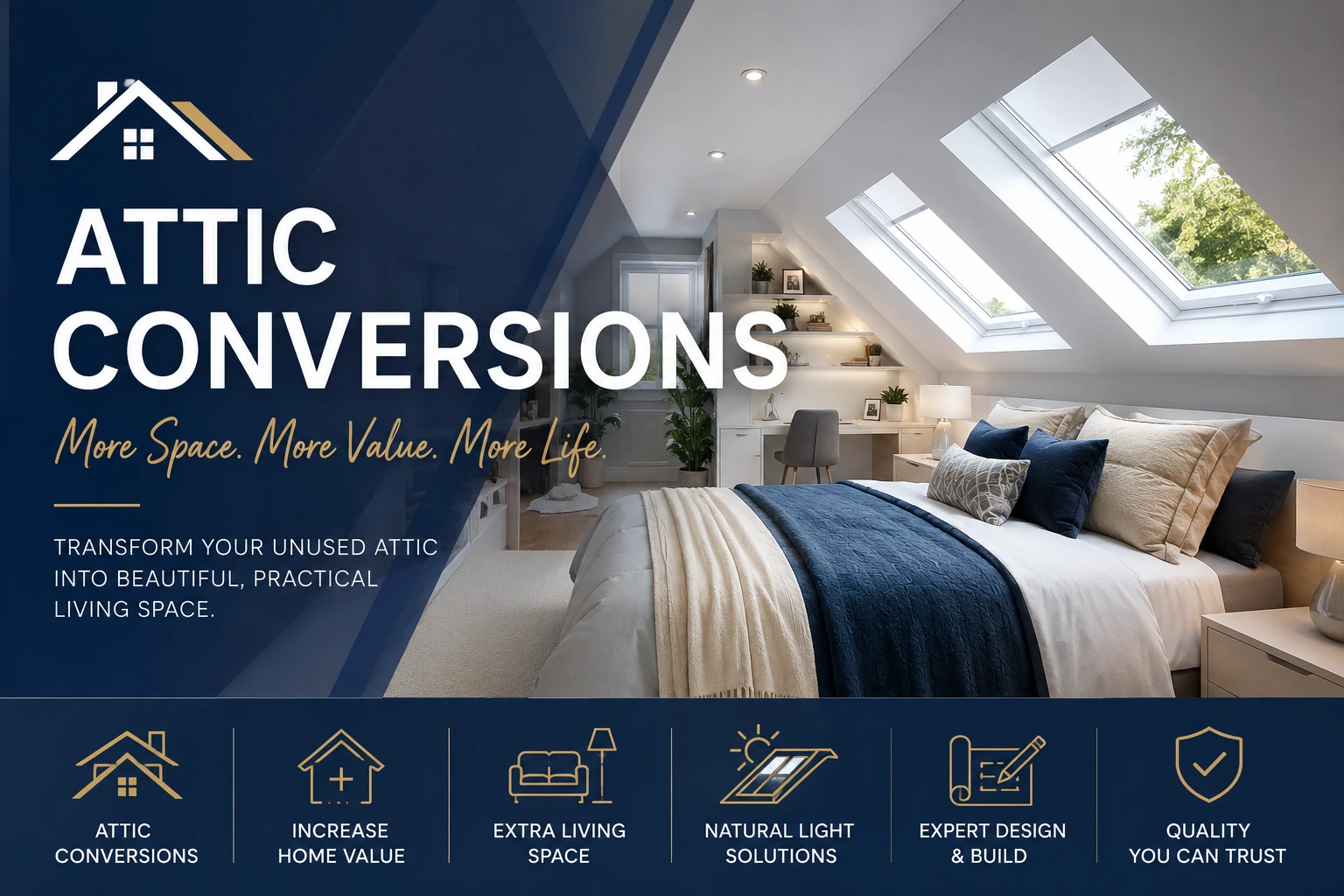
- Roof Windows: These not only provide natural light but can also help with ventilation. By installing windows that can be opened, you can allow hot air to escape while bringing fresh air into the attic.
For the best outcome, a combination of these ventilation solutions is often most effective.
Hiring Professionals for Your Attic Conversion
While some homeowners may be tempted to undertake an attic conversion as a DIY project, enlisting the help of professionals can ensure a successful outcome. A company like South Dublin Attics And Extensions brings expertise and experience to the table, providing insight into local building regulations, safety standards, and efficient ventilation strategies. Our team can assess your attic’s specific needs, recommend tailored ventilation solutions, and assist throughout the entire conversion process. For homeowners in South Dublin, this means peace of mind and a beautifully transformed space that is both functional and comfortable.
To learn more about how we can help you with your attic conversion project, you can visit our attic conversions page and start your journey towards a well-ventilated and lovely new space.

Long-Term Benefits of Proper Attic Ventilation
Investing in proper attic ventilation during your conversion can yield long-term benefits for your home, including:
- Energy Efficiency: Well-ventilated attics contribute to more efficient heating and cooling, potentially lowering energy bills.
- Enhanced Comfort: A stable temperature in your attic space can greatly enhance your comfort, making it more enjoyable as a bedroom, office, or recreational area.
- Moisture Control: Effective ventilation reduces humidity levels, thereby minimising the risk of damage to insulation, the roof structure, and personal belongings stored in the attic.
- Increased Property Value: A well-designed attic conversion with proper ventilation can significantly increase the overall value of your home, making it an attractive selling point.
Frequently Asked Questions
Do I need planning permission for attic conversions?
Planning permission may be required depending on your specific property and the proposed works. It's advisable to consult with local authorities or a building professional to determine your needs.
How can I ensure my attic is properly insulated?
Consider hiring professionals to install insulation, as they can assess your needs and choose the best materials and techniques to ensure your attic is adequately insulated.
What are the signs of poor ventilation in my attic?
Look out for excessive heat during the summer, damp areas, mould growth, or condensation on the underside of the roof—these can all indicate inadequate ventilation.
Can adding roof windows improve ventilation?
Yes, roof windows can greatly enhance natural airflow and light in your attic, but ensure they are designed for ventilation to maximise their effectiveness.
What are the benefits of having a well-ventilated attic?
Benefits include reduced humidity, improved comfort, enhanced energy efficiency, and a significant reduction in the risk of structural damage caused by excess moisture.
Ready to Start Your Attic Conversion?
If you’re considering an attic conversion and want to ensure proper ventilation, South Dublin Attics And Extensions is here to assist. Contact us at +353 87 610 6589 or visit our website to schedule a consultation today!