How to Budget for an Attic Conversion
Transforming your attic into functional living space can be an exciting venture, but it’s essential to plan your budget wisely. At South Dublin Attics And Extensions, we understand that cost management is key to a successful attic conversion. In this article, we’ll guide you through the important aspects to consider when budgeting for your project, ensuring that you make the most informed decisions.
Understanding the Costs Involved
The first step in budgeting for an attic conversion is understanding the various costs involved. These can typically be grouped into several categories:
- Material Costs: This includes the price of insulation, walls, flooring, and ceiling materials. The type of finish you choose can significantly affect the overall cost.
- Labour Costs: Depending on the extent of the conversion, you will need to account for the fees of contractors, builders, and, if necessary, architects.
- Planning and Design Fees: While some homeowners may handle the design themselves, hiring a professional can ensure a seamless process and can add to the initial costs.
- Utility Upgrades: If your attic conversion involves adding additional plumbing, electrical works, or heating, include these upgrades in your budget.
- Furnishing Costs: Once the conversion is complete, consider the costs for furniture, decor, and additional storage solutions that may be necessary.
Setting a Realistic Budget
Once you have an understanding of potential costs, it’s important to set a realistic budget. Start by assessing your financial situation and deciding how much you’re willing to invest. Here are some steps to help you:
- Do Your Research: Look at similar attic conversions in your area, such as those in South Dublin, to get a feel for the average costs involved.
- Prioritise Your Wishes: Identify which elements of the conversion are essential and which are optional. This will help you manage costs more effectively.
- Be Prepared for Unexpected Costs: It’s advisable to set aside a contingency fund—typically around 10-15%—for unexpected expenses that may arise during the renovation process.
- Seek Multiple Quotes: Don’t hesitate to reach out to various contractors for estimates. This not only helps ensure competitive pricing but also gives you insight into what different service providers see as potential challenges.
Financing Your Conversion
Depending on your financial situation, you may choose several options to finance your attic conversion:
- Personal Savings: Using your savings is often the most straightforward way to fund your project, avoiding interest payments.
- Home Improvement Loans: These loans are specifically designed to cover home upgrades and can be a viable option if you need more funds than you currently have.
- Remortgaging: If your property value has increased, remortgaging to access equity may also be an option worth considering, allowing for larger projects.
- Grants or Incentives: Research if there are any local or national grants available for home improvements, which could assist in partially covering costs.
The Benefits of Professional Help
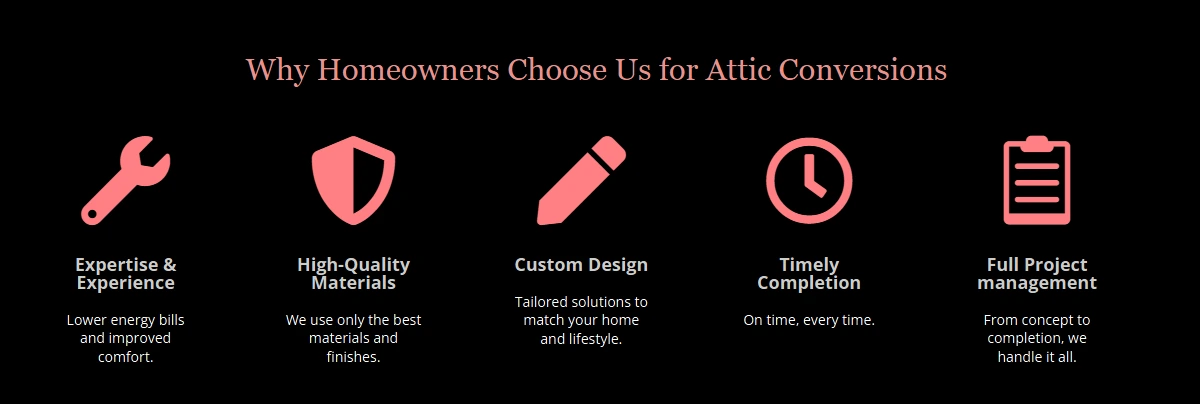
While it might be tempting to undertake an attic conversion yourself to save costs, hiring a professional contractor like South Dublin Attics And Extensions can ultimately save you time and ensure a higher quality finish. Here’s why:
- Expertise: Professionals have the experience needed to navigate potential pitfalls, and their knowledge can help you avoid costly mistakes.
- Project Management: A dedicated team will manage all aspects of the project, including obtaining necessary permits and coordinating different trades.
- Quality Workmanship: Professional contractors are likely to deliver a more polished and durable finish compared to DIY efforts, enhancing the overall value of your home.
- Time Savings: A professional can complete the project in a timely manner, allowing you to start enjoying your new space much sooner.
Maintaining Flexibility in Your Budget
As the project progresses, it’s crucial to stay flexible with your budget. External factors, such as sourcing materials or changes in design, can impact costs. Maintaining open communication with your contractor can help you stay informed and adjust your plans as necessary.
Regular budget reviews can also help ensure you are on track. If you find costs are going beyond your expectations, speaking up can help you explore alternative solutions or negotiate changes to keep your project feasible.

Frequently Asked Questions
What should I include in my attic conversion budget?
Include material and labour costs, planning fees, utility upgrades, and furnishing costs in your budget.
How can I finance my attic conversion?
You can finance through personal savings, home improvement loans, remortgaging, or available grants.
What are the benefits of hiring a professional contractor?
Professional contractors offer expertise, project management, quality workmanship, and time savings.
How can I handle unexpected costs during my attic conversion?
It's advisable to set aside a contingency fund of about 10-15% of the total project costs for unexpected expenses.
Is it possible to manage an attic conversion budget myself?
Yes, but it's beneficial to have professional input to avoid costly mistakes and ensure a well-managed project.
Ready to Convert Your Attic?
If you’re considering an attic conversion in South Dublin, contact South Dublin Attics And Extensions today. Our team can help you budget effectively and bring your vision to life. Call us at +353 87 610 6589 for a consultation!